When people think about increasing the value of a property, they often focus on interior renovations such as kitchen upgrades, bathroom remodeling, or flooring replacements. While these improvements certainly matter, one of the most impactful investments begins outside the building. A thoughtfully designed and well-maintained landscape creates a powerful first impression, improves functionality, and contributes to the overall appeal of a home or commercial property. In many cases, the condition of the outdoor space shapes opinions before anyone even steps inside.
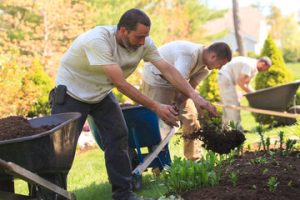
Professional Landscape Designers Honolulu HI are much more than planting flowers or mowing a lawn. It is a strategic combination of design, horticultural knowledge, drainage planning, hardscape installation, and ongoing maintenance that transforms outdoor areas into attractive, functional, and sustainable environments. Whether the goal is to increase curb appeal, create inviting outdoor living spaces, or improve long-term property performance, experienced landscapers provide expertise that extends far beyond basic yard work.
For property owners looking at the bigger picture, landscaping should be viewed as a long-term investment rather than a cosmetic upgrade. A professionally designed landscape not only enhances the enjoyment of the property today but also contributes to its marketability and value for years to come.
First Impressions Matter More Than Ever
The exterior of a property creates expectations before visitors, guests, or potential buyers even enter the building. An overgrown lawn, neglected shrubs, uneven walkways, or poorly maintained planting beds can make an otherwise beautiful property appear neglected. On the other hand, a clean, balanced, and professionally maintained landscape immediately communicates care, quality, and pride of ownership.
Professional landscapers understand how visual elements work together to create harmony. They consider plant placement, color combinations, texture, symmetry, seasonal interest, and the relationship between landscaping and architectural features. These details contribute to a polished appearance that enhances the property’s overall image.
An attractive exterior often encourages positive first impressions, which can influence both personal enjoyment and future resale opportunities.
Landscaping Increases Perceived Property Value
Property value is influenced by many factors, including location, condition, functionality, and appearance. Landscaping directly affects the visual appeal of a property, making it more attractive to visitors, buyers, and tenants.
Even before formal appraisals or inspections take place, people naturally assign greater value to properties that appear well cared for. Healthy lawns, mature trees, vibrant planting beds, and thoughtfully designed outdoor spaces create a sense of quality that extends beyond aesthetics.
Professional landscaping enhances perceived value by presenting the property as complete, maintained, and ready to enjoy rather than requiring significant outdoor improvements.
Creating Functional Outdoor Living Spaces
Modern landscaping extends well beyond decorative gardens. Many property owners now view outdoor spaces as natural extensions of their homes, creating additional areas for relaxation, entertaining, dining, or recreation.
Professional landscapers help maximize available space by designing functional outdoor environments that complement the property’s layout and the owner’s lifestyle.
Popular outdoor features include:
- Patios and seating areas.
- Walkways and garden paths.
- Outdoor kitchens.
- Fire pit gathering spaces.
- Decorative retaining walls.
- Pergolas and shade structures.
- Garden beds and raised planters.
- Multi-purpose lawns for recreation.
These additions improve everyday enjoyment while increasing the property’s overall appeal to future buyers.
Improving Drainage and Protecting the Property
One of the most overlooked benefits of professional landscaping is its role in managing water. Improper drainage can lead to standing water, soil erosion, foundation concerns, damaged lawns, and unhealthy plant growth.
Experienced landscapers evaluate grading, soil conditions, runoff patterns, and drainage systems before designing improvements. Their goal is to guide water away from structures while protecting both landscaping and building foundations.
Effective drainage planning not only preserves the beauty of the landscape but also helps prevent costly repairs associated with excess moisture over time.
Choosing Plants That Thrive
Selecting attractive plants is only one part of successful landscaping. Long-term performance depends on choosing vegetation suited to the property’s soil conditions, sunlight exposure, available moisture, and maintenance expectations.
Professional landscapers understand how different plants interact with one another and how they will mature over time. Instead of focusing only on immediate appearance, they plan for healthy growth, seasonal changes, and long-term sustainability.
Proper plant selection helps reduce maintenance requirements while creating landscapes that remain beautiful throughout the changing seasons.
Reducing Long-Term Maintenance Costs
Many homeowners assume professional landscaping automatically increases maintenance requirements. In reality, thoughtful landscape design often makes maintenance easier and more cost-effective over time.
Experienced landscapers create efficient layouts that minimize unnecessary upkeep through careful planning and plant selection.
Examples include:
- Installing drought-tolerant plants where appropriate.
- Using mulch to reduce weed growth.
- Improving irrigation efficiency.
- Selecting slow-growing shrubs that require less pruning.
- Designing planting beds that simplify maintenance.
These strategies reduce ongoing labor while helping the landscape remain attractive throughout the year.
Enhancing Energy Efficiency
Landscaping can also influence the comfort and energy performance of a property. Trees, shrubs, and strategically placed vegetation provide natural shade during warmer months while helping reduce heat absorption around buildings.
Windbreaks created by carefully positioned trees or shrubs may also help reduce exposure to strong seasonal winds, contributing to improved outdoor comfort.
Although landscaping is not a substitute for building insulation or efficient mechanical systems, it can complement other energy-saving measures by creating a more balanced outdoor environment.
Increasing Privacy Without Sacrificing Beauty
Privacy is an important consideration for many property owners. Rather than relying solely on fencing, professional landscapers often use natural design elements to create comfortable outdoor spaces with enhanced privacy.
Layered plantings, ornamental trees, evergreen hedges, and decorative screens can establish visual separation while maintaining an attractive appearance.
These natural privacy features often blend more seamlessly into the landscape than traditional barriers, creating outdoor spaces that feel both secluded and welcoming.
Promoting Healthier Outdoor Environments
Healthy landscapes contribute to healthier outdoor living conditions. Proper lawn care, soil management, irrigation practices, and plant maintenance help create cleaner, greener surroundings that encourage outdoor activity.
Professional landscapers also recognize the importance of proper plant spacing, airflow, and drainage in reducing disease and maintaining healthy vegetation.
Well-maintained outdoor environments provide inviting spaces where families, employees, and visitors can spend time comfortably while enjoying the benefits of thoughtfully designed natural surroundings.
Hardscaping Adds Lasting Value
Landscaping is not limited to plants and lawns. Hardscape features provide structure, durability, and functionality that complement soft landscaping elements.
Professionally installed hardscapes often include patios, retaining walls, pathways, stone borders, decorative pavers, stairways, and seating areas.
These permanent improvements create attractive focal points while improving accessibility and usability throughout the property.
Quality hardscaping also requires careful planning to ensure proper drainage, stability, and long-term durability, making professional installation especially valuable.
Seasonal Planning Creates Year-Round Appeal
One of the hallmarks of professional landscaping is planning for every season rather than focusing solely on spring or summer appearance.
Experienced landscapers select plants that provide visual interest throughout the year by considering bloom cycles, foliage color, bark texture, evergreen structure, and seasonal transitions.
A thoughtfully designed landscape remains visually appealing regardless of the season, ensuring the property continues making a positive impression throughout the year.
This year-round beauty contributes to lasting curb appeal while maintaining consistent property value.
Supporting Environmental Sustainability
Sustainable landscaping practices have become increasingly important as property owners seek environmentally responsible solutions that also reduce long-term operating costs.
Professional landscapers often incorporate environmentally conscious practices such as efficient irrigation systems, native or climate-appropriate plant selections, composting strategies, soil improvement, and water conservation techniques.
These approaches support healthier landscapes while minimizing unnecessary resource consumption.
Sustainable landscape design benefits both the environment and the property owner’s long-term maintenance budget.
Why Professional Expertise Matters
While many homeowners enjoy gardening and outdoor improvement projects, large-scale landscape planning involves much more than selecting attractive plants. Every property presents unique challenges related to grading, drainage, soil composition, sunlight exposure, irrigation, maintenance, and long-term plant growth.
Professional landscapers combine technical knowledge with creative design to develop outdoor spaces that remain functional and attractive for many years. They understand how different landscape elements interact and how decisions made today will influence the property’s appearance well into the future.
Their experience helps prevent common problems such as overcrowded plantings, poor drainage, improper grading, incompatible plant selections, and inefficient landscape layouts.
Landscaping as a Long-Term Investment
Unlike many home improvements that remain hidden behind walls or beneath floors, landscaping provides visible benefits every single day. Every visit home begins with the property’s exterior, making the landscape one of the most consistently appreciated investments a property owner can make.
Over time, professionally maintained landscapes continue adding value by preserving curb appeal, protecting outdoor infrastructure, supporting healthy plant growth, and enhancing the property’s overall character.
The financial return may not always be measured solely in immediate resale value. Instead, landscaping contributes through increased enjoyment, reduced maintenance challenges, improved functionality, and stronger market appeal when the property is eventually offered for sale.
Choosing the Right Landscaping Partner
A successful landscape project begins with choosing experienced professionals who understand both design and long-term maintenance. Before hiring a landscaper, property owners should discuss project goals, maintenance expectations, budget considerations, and plans for the property.
Ask about the design process, recommended plant selections, drainage solutions, material options, irrigation planning, and ongoing maintenance requirements. Reviewing previous projects and discussing how the landscape will evolve can also provide valuable insight into a landscaper’s approach.
Working with knowledgeable professionals helps ensure that every landscape feature serves a purpose while contributing to the property’s long-term beauty and performance.
Professional landscaping is much more than an aesthetic enhancement—it is a strategic investment that improves property value, functionality, and long-term appeal. Through thoughtful design, expert plant selection, proper drainage planning, durable hardscaping, and ongoing maintenance, professional landscapers create outdoor spaces that are both beautiful and practical. These improvements not only enhance everyday enjoyment but also strengthen a property’s ability to attract future buyers and maintain its value over time.
Whether the goal is boosting curb appeal, creating inviting outdoor living areas, reducing maintenance requirements, or protecting the property from drainage-related issues, professional landscaping offers lasting benefits that extend well beyond appearance. By viewing landscaping as an essential part of property ownership rather than an optional upgrade, homeowners and commercial property owners alike can make meaningful improvements that continue delivering value for years to come.