Bathroom cabinets are among the most frequently used features in any home. They endure daily exposure to moisture, humidity, cleaning products, and constant handling, all of which gradually take a toll on their appearance. Over time, even well-built cabinets can begin to look outdated, faded, scratched, or worn, making the entire bathroom feel less inviting. Many homeowners assume that once their bathroom cabinets lose their appeal, replacement is the only option. Fortunately, that is often far from the truth.
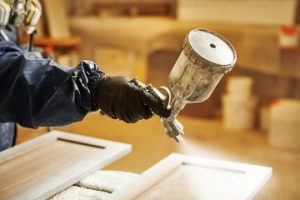
Professional Modesto Cabinet Painters has become one of the most effective ways to transform bathroom cabinetry without the expense, disruption, and waste associated with a complete replacement. Instead of removing perfectly functional cabinets, skilled cabinet painters can restore and modernize existing ones using specialized preparation techniques, durable coatings, and professional finishing methods. The result is a refreshed appearance that can dramatically improve the overall look of the bathroom while preserving the existing cabinet structure.
If your bathroom cabinets are structurally sound but no longer match your style or have simply begun showing signs of age, repainting may be the ideal solution. Understanding how cabinet painters approach the process and the benefits it offers can help you decide whether refreshing your cabinets is the right investment for your home.
Why Bathroom Cabinets Often Show Wear First
Bathrooms create a challenging environment for cabinetry. Unlike cabinets in many other parts of the home, bathroom cabinets are constantly exposed to changing humidity levels, steam from showers, water splashes around sinks, cosmetics, cleaning chemicals, and frequent opening and closing throughout the day.
These conditions gradually affect both the cabinet finish and the hardware. Paint may begin to discolor, glossy finishes can lose their shine, and surfaces often develop scratches, stains, or chipped edges. Moisture may also contribute to minor swelling or finish deterioration if cabinets are not properly protected.
Despite these cosmetic issues, many bathroom cabinets remain structurally solid for years. When the cabinet boxes, doors, and drawer fronts are still in good condition, repainting often provides a practical alternative to replacing the entire vanity or storage system.
When Cabinet Painting Is a Good Option
Not every cabinet needs to be replaced simply because it looks outdated. In many cases, professional painting can restore cabinets that are otherwise fully functional.
Cabinet painting is often an excellent choice when:
- The cabinet structure remains sturdy.
- Doors and drawers operate properly.
- The existing finish has become faded or worn.
- Minor scratches and cosmetic imperfections are present.
- The homeowner wants to update the bathroom’s appearance without a major renovation.
When cabinets meet these conditions, repainting allows homeowners to achieve a fresh, modern look while avoiding the higher costs associated with demolition and replacement.
The Difference Between Cabinet Painting and Wall Painting
Some homeowners mistakenly believe painting cabinets is similar to painting interior walls. In reality, cabinet painting requires a far more detailed process because cabinets experience significantly more wear than painted drywall.
Walls are rarely touched compared to cabinets, which are opened, closed, cleaned, and handled multiple times every day. Because of this constant use, cabinet finishes must be much more durable.
Professional cabinet painters use specialized primers, coatings, and application methods designed specifically for cabinetry. They also devote substantial time to preparation, since proper surface preparation largely determines how well the finish performs over the years.
The techniques involved require patience, precision, and experience to produce smooth, factory-like results.
Preparation Is the Key to Lasting Results
One of the biggest reasons professional cabinet painting produces superior results is the extensive preparation completed before any new paint is applied.
Preparation typically involves removing cabinet doors, drawer fronts, hinges, knobs, and other hardware. Every surface is then thoroughly cleaned to eliminate soap residue, oils, cosmetics, dust, and grime that naturally accumulate over time.
Once cleaned, cabinet surfaces are carefully sanded or otherwise prepared to improve adhesion. Small dents, scratches, nail holes, or minor imperfections may also be repaired before primer is applied.
Skipping these preparation steps often leads to peeling, bubbling, uneven finishes, or premature wear. Proper preparation creates the strong foundation necessary for a beautiful and long-lasting finish.
Modern Paint Finishes Offer Excellent Durability
Today’s cabinet coatings have improved significantly compared to traditional household paints. Professional-grade cabinet finishes are designed to withstand daily use while resisting moisture, stains, and repeated cleaning.
These advanced coatings cure into durable finishes that remain attractive even in demanding bathroom environments. Many also provide smooth surfaces that are easier to clean while maintaining consistent color and sheen over time.
When properly applied and fully cured, professionally painted bathroom cabinets can continue looking attractive for many years with routine maintenance.
Updating the Entire Bathroom Without Major Remodeling
Replacing bathroom cabinets often leads to additional renovation work. Existing countertops, plumbing fixtures, flooring, backsplashes, and wall finishes may all require modifications once cabinets are removed.
Cabinet painting offers an entirely different approach.
Rather than changing the bathroom’s layout, repainting allows homeowners to modernize the room while keeping existing fixtures in place. A fresh cabinet finish alone can dramatically brighten the space, create a cleaner appearance, and complement updated mirrors, lighting, faucets, or decorative accessories.
This approach delivers noticeable visual improvements without requiring a complete bathroom renovation.
Popular Color Choices for Bathroom Cabinets
Color selection plays a major role in transforming bathroom cabinets. While personal preference ultimately guides the decision, many homeowners choose shades that create a brighter, cleaner, and more spacious atmosphere.
Popular cabinet colors often include:
- Crisp white for a timeless appearance.
- Soft gray for understated elegance.
- Warm beige for a welcoming feel.
- Deep navy for bold contrast.
- Charcoal for modern sophistication.
- Earth-inspired tones for a natural aesthetic.
Neutral colors tend to remain stylish for many years while blending well with a wide variety of flooring, countertops, and wall finishes.
Cabinet Painting Helps Extend Cabinet Life
Replacing cabinets solely because of cosmetic wear contributes to unnecessary waste when the underlying cabinetry remains structurally sound.
Professional painting extends the useful life of existing cabinets by renewing their protective finish while improving their appearance. Instead of sending usable cabinetry to a landfill, homeowners can preserve quality materials already installed in the bathroom.
This approach maximizes the value of the original cabinetry while postponing the need for more extensive renovations.
Cost Savings Compared to Replacement
Budget is often one of the biggest reasons homeowners consider cabinet painting. Complete cabinet replacement typically involves demolition, disposal, plumbing adjustments, new cabinetry, installation, finishing work, and potential repairs to surrounding surfaces.
Painting existing cabinets generally requires far fewer materials and significantly less labor.
While every project varies, repainting often provides one of the highest visual returns for the investment because it transforms one of the bathroom’s largest focal points without replacing it entirely.
For homeowners seeking noticeable improvements while managing renovation costs, cabinet painting can be an excellent value.
Minimal Disruption During the Project
Major bathroom remodeling projects can disrupt daily routines for extended periods. Demolition, plumbing work, flooring installation, and cabinet replacement frequently require weeks of coordinated construction.
Cabinet painting is typically much less disruptive.
Although doors and drawers are removed during refinishing, much of the cabinet structure remains in place. Professional scheduling, organized work areas, and efficient finishing methods help minimize inconvenience while allowing the transformation to progress smoothly.
For households with busy schedules, this reduced disruption can be a significant advantage.
Hardware Can Complete the Transformation
While freshly painted cabinets dramatically improve appearance, replacing outdated hardware often enhances the final result even further.
New knobs, pulls, and hinges provide updated styling while complementing the cabinet’s new finish. Even relatively small hardware changes can create a surprisingly noticeable visual impact.
Many homeowners choose to coordinate hardware with updated faucets, towel bars, lighting fixtures, and mirrors to create a cohesive bathroom design.
These finishing touches help maximize the overall effect of the cabinet refresh.
Maintaining Newly Painted Cabinets
Professional cabinet finishes are designed for durability, but routine care helps preserve their appearance for years to come.
Simple maintenance practices include:
- Wipe away moisture promptly.
- Clean surfaces with non-abrasive products.
- Avoid harsh chemical cleaners.
- Tighten hardware when needed.
- Address minor chips before they expand.
Consistent maintenance helps protect the finish while keeping cabinets looking freshly painted for as long as possible.
Choosing Professional Cabinet Painters
Although many homeowners enjoy do-it-yourself projects, cabinet painting requires specialized knowledge and equipment to achieve professional-quality results.
Experienced cabinet painters understand proper surface preparation, coating selection, curing requirements, and application techniques that produce smooth, durable finishes. They also know how to minimize brush marks, drips, uneven coverage, and adhesion problems that commonly affect inexperienced painting projects.
When selecting a cabinet painter, ask about their preparation process, materials, previous cabinet experience, estimated project timeline, and warranty information if available. Reviewing examples of completed work can also provide confidence in the quality of their craftsmanship.
Choosing experienced professionals often results in a finish that closely resembles factory-manufactured cabinetry rather than a simple repainting project.
Is Cabinet Painting the Right Choice?
Cabinet painting is an excellent option for many bathrooms, but it works best when the existing cabinets remain structurally sound. If cabinets have severe water damage, extensive rot, broken frames, or significant structural problems, replacement may ultimately be the better long-term solution.
However, when cabinets are sturdy and only suffer from cosmetic wear, professional painting provides an opportunity to dramatically improve their appearance without the expense and complexity of replacing them. The process preserves functional cabinetry, reduces renovation waste, minimizes disruption, and creates a refreshed bathroom that feels cleaner, brighter, and more modern.
Ultimately, the answer to the question is yes—professional cabinet painters can absolutely refresh bathroom cabinets without replacing them. Through meticulous preparation, high-quality coatings, skilled application, and attention to detail, they can breathe new life into cabinets that have lost their original appeal. For homeowners looking to update their bathrooms while maximizing value, cabinet painting offers an attractive, cost-effective, and long-lasting solution that proves a complete replacement is not always necessary.