Water has a way of finding its path into places where it does not belong. A burst pipe, leaking appliance, overflowing sink, severe storm, or hidden plumbing issue can quickly introduce large amounts of moisture into a home or commercial building. While the visible water may seem like the biggest concern, the real challenge often begins after the standing water is gone. Moisture trapped inside walls, floors, insulation, and structural materials can continue causing damage long after the initial incident.
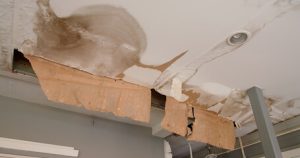
This is where Water Damage Remediation Salt Lake City becomes essential. Unlike simply cleaning up water with towels, mops, or a wet vacuum, professional remediation is a structured process designed to remove water, dry affected materials, prevent secondary damage, and restore the property to a safe and stable condition. The goal is not only to address the immediate effects of water intrusion but also to reduce the risk of future problems such as mold growth, structural deterioration, and lingering odors.
Understanding how water damage remediation works helps property owners appreciate why acting quickly is so important. The sooner the remediation process begins, the greater the chance of minimizing damage, reducing repair costs, and restoring the property efficiently.
What Is Water Damage Remediation?
Water damage remediation is the comprehensive process of assessing, containing, removing, drying, cleaning, sanitizing, and restoring areas affected by unwanted water. It involves much more than simply extracting standing water. The process addresses both visible damage and hidden moisture that may remain trapped inside building materials.
Professional remediation combines specialized equipment, moisture detection technology, drying systems, and restoration techniques to return the affected space to a dry and healthy condition. Every step is carefully planned to prevent additional damage while protecting the structural integrity of the property.
The scope of remediation varies depending on the source of the water, the amount of moisture present, the materials affected, and how long the water has remained inside the building.
Why Immediate Action Matters
Time is one of the most important factors after water damage occurs. Moisture begins affecting building materials almost immediately, and delays allow water to spread farther into surrounding areas.
Within a short period, drywall can absorb moisture, wood may begin to swell, flooring can warp, insulation may lose effectiveness, and furnishings can become saturated. Prolonged moisture also creates favorable conditions for mold growth, which introduces additional cleanup challenges.
Quick action offers several important benefits:
- Reduces structural damage.
- Limits mold development.
- Preserves flooring and cabinetry.
- Minimizes repair expenses.
- Speeds up the overall restoration process.
Responding promptly often means fewer materials require replacement and more of the property’s original features can be preserved.
Step One: Inspection and Damage Assessment
Every successful remediation project begins with a thorough inspection. Before any equipment is installed or water is removed, professionals carefully evaluate the affected areas to determine the extent of the damage.
This assessment includes identifying the source of the water, locating all affected materials, measuring moisture levels, and determining how far water has migrated throughout the property.
Moisture frequently travels beyond what is immediately visible. Water can seep beneath flooring, behind walls, inside insulation, and into structural framing where it remains hidden from view.
Specialized moisture detection equipment helps identify these concealed areas so that no significant moisture is overlooked during remediation.
Identifying the Water Source
Not all water damage presents the same level of risk. Understanding where the water originated helps determine the appropriate remediation procedures.
Clean water from a supply line typically presents fewer contamination concerns than water originating from sewage backups or floodwaters containing debris and pollutants.
Identifying the water source allows remediation professionals to select appropriate cleaning methods, protective equipment, and sanitation procedures based on the level of contamination involved.
Addressing the source of the water is equally important. Before restoration begins, the leak or intrusion must be repaired to prevent additional water from entering the property.
Water Extraction
Once the property has been evaluated, the next priority is removing standing water as quickly as possible.
Professional water extraction equipment removes large volumes of water far more efficiently than household tools. Rapid extraction limits additional absorption into floors, walls, and structural components while creating better conditions for the drying process.
The amount of extraction required depends on the severity of the water intrusion. Some properties may contain only minor pooling, while others require extensive removal due to significant flooding.
Removing standing water promptly significantly reduces the overall drying time and helps minimize long-term damage.
Removing Unsalvageable Materials
Not every water-damaged material can be successfully restored. During remediation, professionals determine which materials can be dried and preserved and which should be removed due to severe saturation or contamination.
Items commonly evaluated include drywall, insulation, carpeting, flooring, ceiling materials, cabinetry, and personal belongings.
The goal is always to preserve as much of the original property as possible while ensuring that damaged materials do not contribute to future structural problems or mold growth.
Removing compromised materials also allows hidden areas to dry more effectively.
Structural Drying
Water extraction alone is not enough to complete the remediation process. Moisture often remains inside building materials even after standing water has disappeared.
Structural drying uses specialized air movers, dehumidifiers, and controlled airflow to remove trapped moisture from walls, subfloors, framing, ceilings, and other structural components.
This phase requires careful monitoring because drying too quickly or too slowly can create additional problems. Moisture levels are regularly measured throughout the process to verify that materials are drying evenly and completely.
Drying continues until moisture readings indicate that affected materials have returned to acceptable levels.
Moisture Monitoring Throughout the Process
Professional remediation is guided by data rather than assumptions. Moisture meters, thermal imaging equipment, and humidity monitoring tools allow technicians to track drying progress accurately.
Without proper monitoring, hidden moisture pockets may remain undetected, creating conditions for future mold growth or structural deterioration.
Routine moisture testing helps determine whether equipment placement should be adjusted, whether additional drying time is needed, and when drying has been successfully completed.
This careful monitoring is one of the primary differences between professional remediation and basic water cleanup.
Cleaning and Sanitizing Affected Areas
After drying is complete, the focus shifts to cleaning and sanitizing affected surfaces. Water intrusion often leaves behind dirt, bacteria, odors, or residues depending on the source of the water.
Professional cleaning may include disinfecting hard surfaces, deodorizing affected areas, removing debris, and treating materials that can safely be restored.
The objective is to return the space to a clean condition while eliminating contaminants that could affect indoor air quality or occupant comfort.
Cleaning also prepares the property for any repairs or reconstruction that may follow.
Odor Removal
One of the most frustrating consequences of water damage is the lingering musty odor that can remain even after visible moisture disappears.
These odors are typically caused by moisture trapped within porous materials or by microbial activity resulting from prolonged dampness.
Professional remediation addresses odors at their source rather than masking them with fragrances. Specialized deodorization techniques help eliminate odor-causing particles while improving the overall indoor environment.
When moisture is thoroughly removed and affected materials are properly cleaned, unpleasant odors are far less likely to return.
Preventing Mold Growth
One of the primary objectives of water damage remediation is preventing mold before it has an opportunity to spread.
Mold thrives in damp environments, making untreated water damage an ideal breeding ground. Even small amounts of hidden moisture can support mold growth if left unresolved.
Effective remediation reduces this risk by:
- Removing standing water quickly.
- Drying structural materials thoroughly.
- Eliminating excess humidity.
- Cleaning contaminated surfaces.
- Monitoring moisture until drying is complete.
Preventing mold early is generally much simpler and less expensive than addressing a widespread mold infestation later.
Restoring the Property
Once remediation has been completed, restoration work begins. Restoration focuses on returning the property to its original appearance and functionality.
Depending on the extent of the damage, restoration may involve replacing drywall, installing new flooring, repairing trim, repainting walls, reinstalling cabinetry, or rebuilding damaged structural components.
Some projects require only minor cosmetic repairs, while others involve more extensive reconstruction.
The ultimate goal is to restore both the appearance and structural integrity of the affected areas while ensuring that all moisture-related concerns have been fully resolved.
Common Causes of Water Damage
Water damage can occur unexpectedly for many different reasons. Understanding these common causes allows property owners to remain alert and respond quickly when problems arise.
Frequent sources of water damage include:
- Burst or leaking pipes.
- Roof leaks.
- Overflowing appliances.
- Plumbing fixture failures.
- Foundation seepage.
- Heavy rainfall or flooding.
- Water heater malfunctions.
- Blocked drainage systems.
Routine inspections and regular maintenance help reduce the likelihood of many of these issues developing into significant water damage events.
Why Professional Water Damage Remediation Matters
Although minor spills can often be cleaned without assistance, significant water damage usually requires professional expertise. Hidden moisture, specialized drying requirements, contamination concerns, and structural risks make comprehensive remediation a complex process.
Experienced remediation professionals use advanced equipment and proven techniques to identify moisture that may not be visible while ensuring the property dries thoroughly and safely. Their systematic approach helps reduce repair costs, preserve building materials whenever possible, and lower the risk of future complications.
Attempting to dry extensive water damage without proper equipment often leaves behind moisture that continues damaging the property long after surfaces appear dry.
Water damage remediation is far more than simply removing standing water. It is a carefully planned process that combines inspection, moisture detection, water extraction, structural drying, cleaning, sanitizing, odor removal, and restoration to return a property to a safe and stable condition. Every step is designed to address both immediate damage and the hidden moisture that can lead to long-term structural issues if left untreated.
Acting quickly after water damage occurs is one of the most effective ways to protect a property from escalating repairs, mold growth, and unnecessary restoration costs. By understanding how the remediation process works and why each stage is important, property owners can make informed decisions during stressful situations and take the necessary steps to preserve the value, safety, and comfort of their homes or commercial buildings. Whether the damage is caused by a plumbing failure, appliance leak, or unexpected weather event, professional water damage remediation provides the comprehensive care needed to restore affected spaces and help prevent future problems.